
Modelling and optimisation for electrostatic headphone transducers
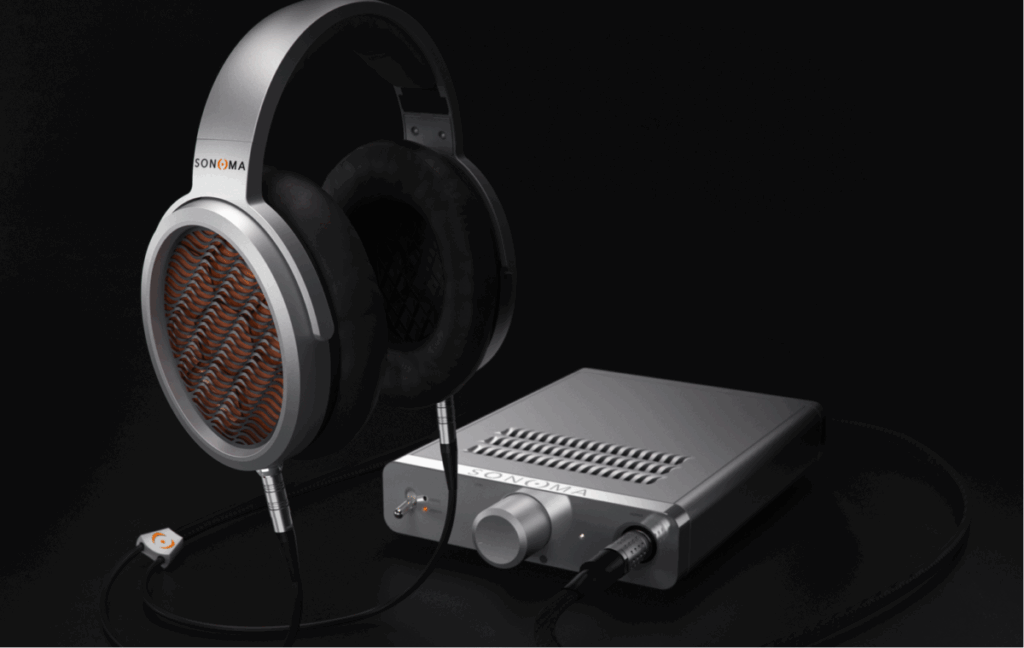
Warwick Acoustics partnered with Xi Engineering Consultants to develop advanced Multiphysics models of their electrostatic transducers, accelerating development, reducing prototype builds and enabling rapid customisation for end clients.
The Challenge
Warwick Acoustics designs high performance electrostatic headphone transducers where small geometric changes can significantly affect sound quality, efficiency and manufacturability. Relying on hand built prototypes for each design iteration was time consuming and expensive, and made it harder to explore a wide design space or respond quickly to bespoke customer requirements. The team wanted to embed robust Multiphysics modelling into their development process so they could predict electrostatic, structural and acoustic behaviour before cutting hardware. They needed a trusted partner who could build, calibrate and hand over a simulation environment that would shorten time to market while preserving Warwick Acoustics’ competitive advantage.
Our Approach
Xi developed detailed COMSOL models of Warwick Acoustics’ transducers that coupled structural, electrostatic and acoustic physics, including thermoviscous losses in the air gaps. Starting from existing designs, the team calibrated simulations against measured performance to ensure the models reproduced key frequency responses and sensitivities. Once validated, the models were parameterised so Warwick Acoustics could vary dimensions, materials and drive conditions and immediately see the impact on efficiency and sound quality. Xi also packaged the models into usable tools, provided training and supported their integration into the company’s R and D workflow, so engineers could confidently replace many physical iterations with virtual ones.
The Results
This represented a huge cost and time benefit for us. We went from making multiple prototypes by hand each week to simply dialling up a new one in the software. In addition to settling on a final design, we’re very happy with, it is now easy for us to customise our transducers for clients’ requirements.”
martin roberts
CEO Warwick acoustics
Why it matters
Audio transducer performance is highly sensitive to geometry and materials, and the cost of physical iteration quickly adds up. By building calibrated Multiphysics models and embedding them in Warwick Acoustics’ process, Xi helped turn simulation into a core capability rather than a one off project. The same approach can be applied to loudspeakers, microphones and other sensing and actuation devices where structural, electrical and acoustic effects must be balanced to deliver market leading products.