
Dynamic assessment and design support for tidal turbines
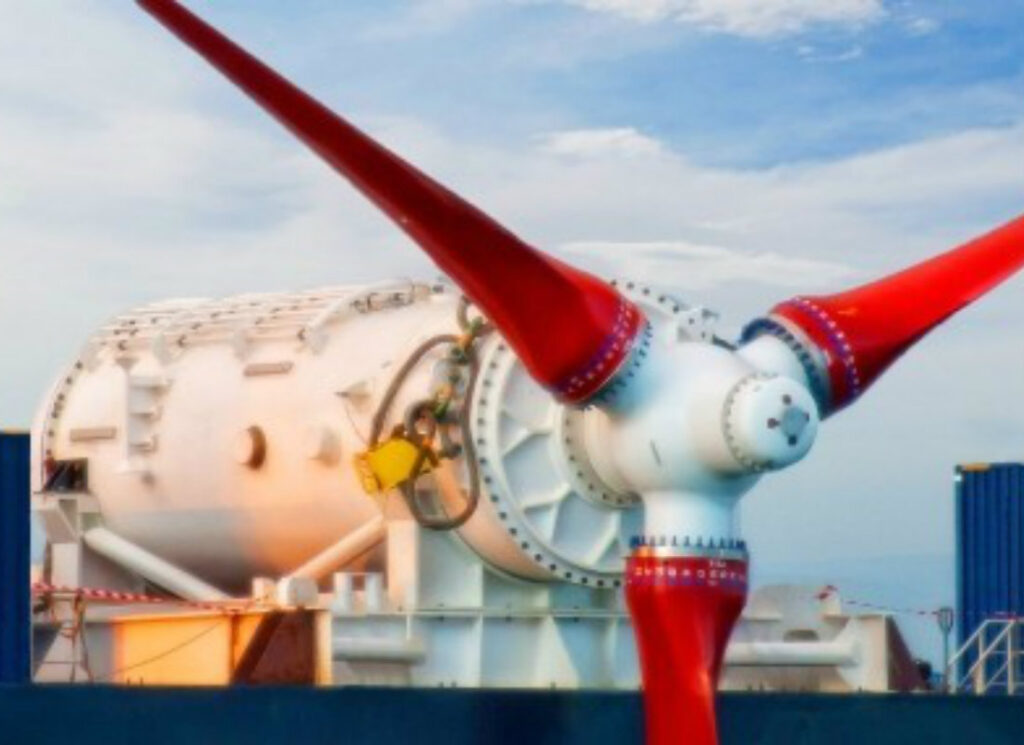
Xi Engineering Consultants supported Andritz Hydro Hammerfest in the design of HS1000 and MK1 tidal turbines, building holistic dynamic models to assess fatigue, resonance and driveline behaviour before deployment in harsh marine conditions.
The Challenge
Tidal turbines operate in highly energetic, difficult to access environments where installation and maintenance are both costly and constrained by tidal windows. For Andritz Hydro Hammerfest, ensuring that HS1000 and MK1 devices could survive long periods between interventions required a deep understanding of dynamic loads, fatigue and inter component frequency matching. Traditional component level checks risked missing system level interactions that could drive unexpected failures offshore. The company needed a comprehensive, yet practical, modelling approach to test and refine its designs virtually, reducing the risk of in service issues and limiting the number of expensive physical prototypes.
Our Approach
Xi built holistic numerical models of the HS1000 and MK1 devices that captured the turbines, support structures and drivetrain as complete dynamic systems. Using COMSOL and specialist dynamic analysis tools, Xi assessed how loads from waves and currents translated into stresses and vibrations across the structure and drive train. Particular attention was paid to matching component natural frequencies and avoiding harmful resonances that could accelerate fatigue. By running a range of operating and fault scenarios in simulation, Xi helped Andritz Hydro Hammerfest understand where design adjustments would deliver the greatest improvements in robustness and maintenance free operating periods.
The Results
Why it matters
Marine renewables must compete on both performance and reliability. Failures offshore are expensive and can damage confidence in the technology. Xi’s system level modelling approach helps turbine developers understand and optimise dynamics before heading to sea, enabling better use of materials, fewer failures and stronger investment cases. The same methods can be applied across wave, tidal and floating wind systems.