
Acoustic testing that finds the source and designs the fix
Noise and vibration problems rarely have a single simple cause. A fan, gearbox, panel or pipework can all play a part, and standard noise surveys often stop at reporting sound levels rather than explaining why they are high.
At Xi Engineering Consultants, we combine acoustic measurements, vibration testing and simulation so you get a complete picture of what is happening, why it is happening, and what to do about it.
Why combine noise and vibration measurement
Noise always starts with vibration. Sometimes that vibration radiates directly from the source. Often it travels through nearby structures and turns large surfaces into sounding boards.
If you only measure airborne sound you can see that a limit is being exceeded, but not:
- Which components are actually driving tonality or overall level
- How vibration is travelling through the structure
- Where treatments will have the most impact
By measuring both sound and vibration, we can separate what you hear from what is simply present in the structure, and target the true sources.
A typical Xi acoustic testing process
For industrial plant, transport, turbines or commercial equipment, our projects usually follow three linked steps.
1. Acoustic measurement
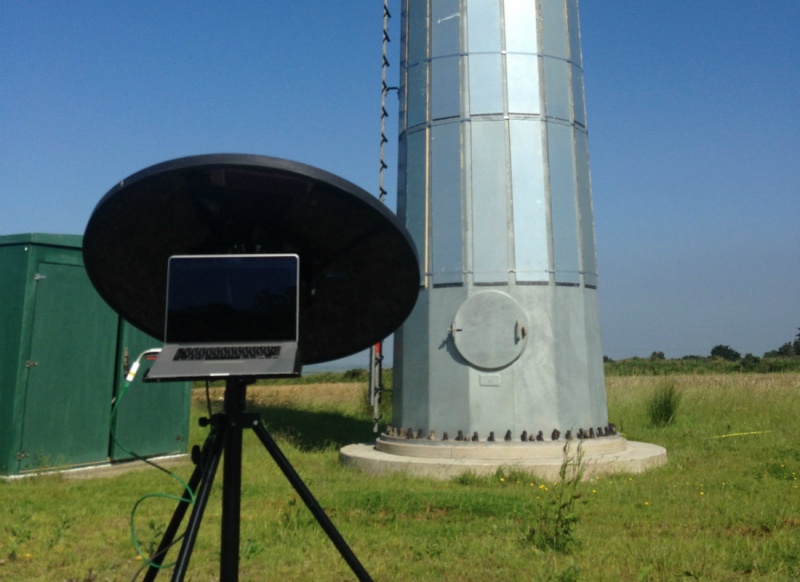
We measure sound pressure levels and spectra at key locations to identify tonal components, beats and other features that drive annoyance or non compliance.
2. Vibration measurement
We instrument key parts of the structure to see how vibration varies across components and panels, and how it relates to the tones and patterns seen in the noise data.
3. Modelling and simulation
We build acoustic and structural models to visualise how the system behaves, switch components on and off virtually, and test mitigation options on screen before anything is installed.
Together, these steps turn a vague “it is too loud” complaint into clear evidence of which parts of the system matter most.
From diagnosis to practical mitigation
Because we understand the full chain from source to sound, our recommendations are specific and testable. Typical outcomes include:
- Identifying where tonal peaks originate in a drive train or machine
- Highlighting structural hot spots where added damping or stiffening will be most effective
- Comparing alternative mitigation options using virtual prototypes and cost benefit analysis
- Demonstrating before and after performance using the same measurement and modelling approach
In one wind turbine example, targeted tonal damping on key structural components significantly reduced the amplitude of tones and the overall sound power level, allowing the machine to pass noise criteria again.
How Xi can help
Whether you are dealing with a troublesome machine on a factory floor, a non compliant turbine, a noisy product or an infrastructure project, Xi can:
- Investigate and explain complex noise and vibration problems
- Design and test mitigation strategies before you commit to hardware
- Support planning, compliance and stakeholder engagement with clear visuals and reports
You can bring us in for a focused diagnostic survey or as an engineering partner across a wider programme of assets.rs can see how numbers link to what people – and animals – actually hear.